What Is a Prop Firm Challenge?
A prop firm challenge is a trading evaluation used by proprietary trading firms to determine whether a trader can manage risk and trade consistently.
Instead of giving traders immediate access to capital, firms require them to pass a structured test.
If the trader meets the required rules and profit targets without violating risk limits, they qualify for a funded account.
In simple terms:
👉 A prop firm challenge is a test of discipline, not just strategy.
Prop trading firms solve that problem by offering traders access to large funded accounts. But before receiving that capital, traders must pass something called a prop firm challenge.
A prop firm challenge is an evaluation designed to test whether a trader can follow risk rules, manage drawdown, and trade consistently before being given access to firm capital.
Understanding how these challenges work is essential if you want to become a funded trader.
To understand how risk is calculated in trading, you need to understand pips and lot size.
What Happens During a Prop Firm Challenge
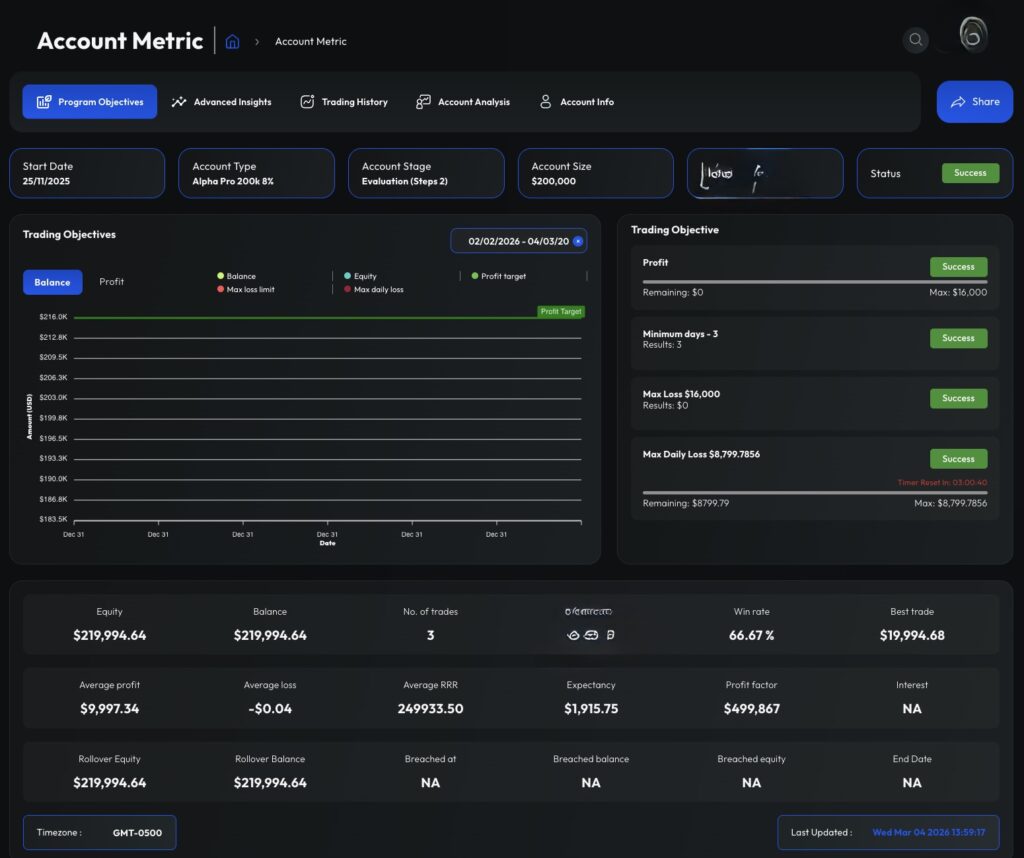
During a challenge, traders must follow specific rules while attempting to reach a profit target.
These rules usually include:
- a profit target
- a maximum drawdown
- a daily loss limit
- minimum trading days
👉 To understand this process in detail, read:
How Prop Firm Challenges Actually Work (Complete Beginner Guide)
Maximum Drawdown
Drawdown is the maximum amount a trader is allowed to lose before failing the challenge.
👉 Learn more:
How Prop Firm Challenges Actually Work
Why Prop Firm Challenges Exist
Prop firms use challenges to identify traders who can:
- manage risk
- follow rules
- remain disciplined under pressure
The goal is not to find traders who can win quickly.
The goal is to find traders who can protect capital consistently.
Minimum Trading Days
Some firms require traders to trade for a minimum number of days.
This rule ensures traders are not simply passing challenges through a single lucky trade.
Typical minimum trading days range from:
5–10 days
Why Prop Firms Use Challenges
Prop firms are not simply handing out capital.
Their goal is to identify traders who demonstrate three important qualities:
Risk Management
Most traders fail not because of bad strategy, but because of poor risk control.
Challenges ensure traders can manage losses properly.
Consistency
Successful traders generate profits consistently, not randomly.
This is why many firms also enforce consistency rules.
➡ Why Prop Firms Have Consistency Rules
Emotional Discipline
Trading large capital requires emotional control.
The challenge phase helps identify traders who can remain disciplined during both winning and losing periods.
How Long It Usually Takes Traders to Pass
Many beginners believe they can pass a prop firm challenge quickly.
In reality, passing requires patience and careful risk management.
For a realistic breakdown, read:
➡ How Long It Actually Takes to Pass a Prop Firm Challenge
Most successful traders treat the evaluation like a professional trading environment, not a gamble.
Common Mistakes Beginners Make
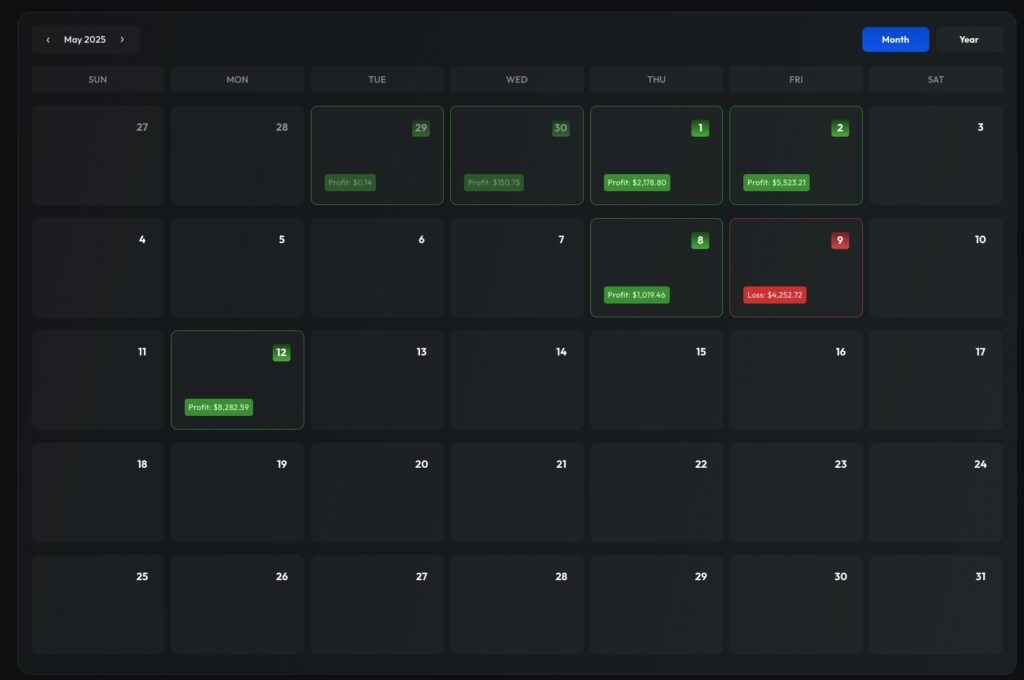
Most traders fail challenges because they:
- risk too much per trade
- rush to hit the profit target
- ignore daily loss limits
- trade emotionally
👉 For a deeper breakdown, read:
Why Most Traders Fail Prop Firm Challenges
What Happens After You Pass a Challenge
Passing the challenge is only the beginning.
Once a trader qualifies, they receive access to a funded trading account, often ranging from $25,000 to $200,000 or more.
Profits are then shared between the trader and the prop firm.
Many firms offer profit splits between:
70% – 90% to the trader
You can learn more about the next stage here:
➡ What Happens After Your First Prop Firm Payout
How This Relates to Prop Firms
A prop firm challenge is only one part of the process.
Choosing the right firm is just as important as passing the challenge.
👉 Compare beginner-friendly firms here:
Best Prop Firms for Beginners (2026 Honest Comparison)
Final Thoughts
A prop firm challenge is not just about hitting a profit target.
It is about proving that you can manage risk, follow rules, and trade consistently.
Traders who understand this early have a much higher chance of passing and becoming funded.